
Organism
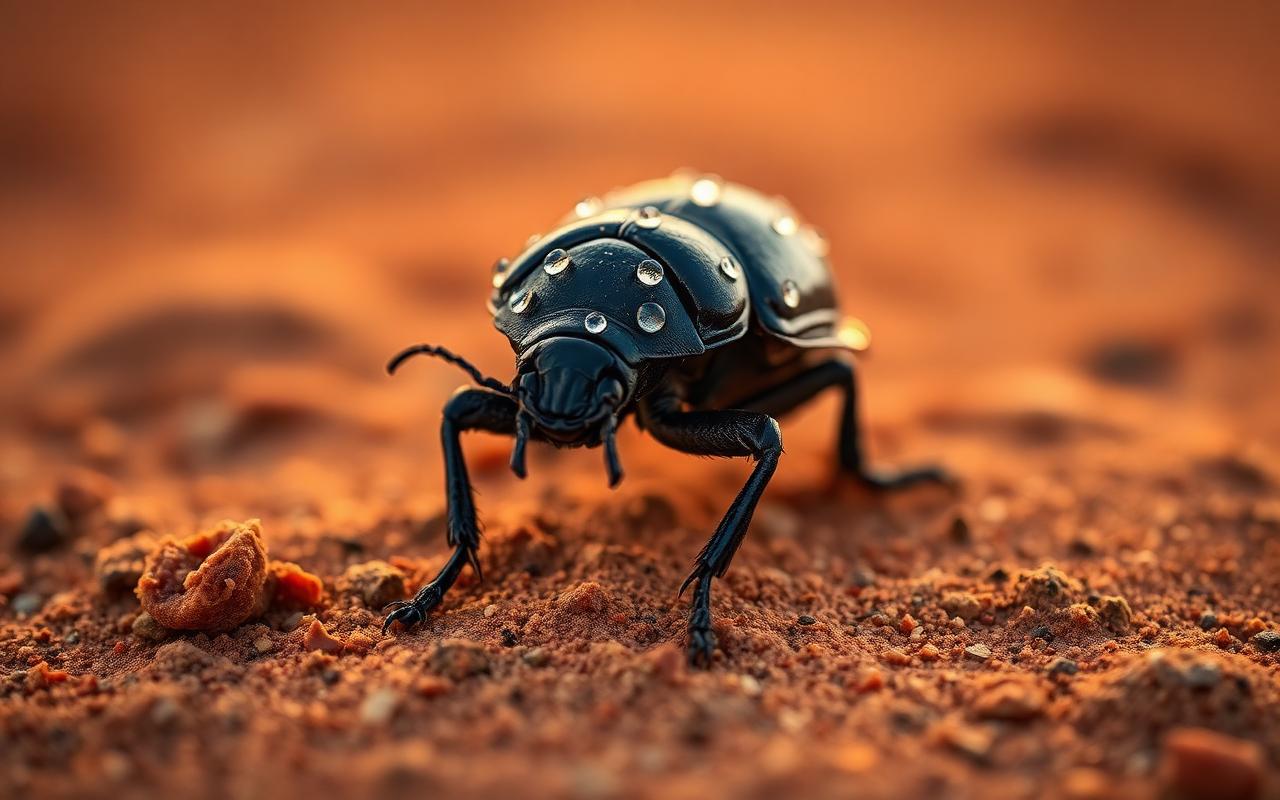
Namibian Fog Beetle
Stenocara gracilipes · Namib Desert, southern Africa
Surviving in one of the driest deserts on Earth with no surface water.
SPC-082
Nature-to-Innovation
The five stages, mapped.
Every Flourish organism flows through the same spine — so insights translate.
Organism01 / 05
Namibian Fog Beetle
Stenocara gracilipes · Namib Desert, southern Africa
Biological Strategy02 / 05
Namibian Fog Beetle
The beetle tilts its bumpy back into pre-dawn fog. Hydrophilic peaks attract moisture; hydrophobic wax troughs channel the droplets directly to its mouth.
Design Principle03 / 05
Life's Principle
Alternating surface chemistries plus geometric tilt convert dispersed vapor into directed, drinkable liquid — without any active energy input.
Innovation Pattern04 / 05
Passive vapor-to-liquid harvesting through structured surfaces.
Reusable across products, architecture, and systems.
Sustainability implication
Eliminates pumps, filters, and energy for water collection. Enables decentralized water access in regions facing acute scarcity.
Related biological models
- Cactus spines
- Spider web silk
- Pitcher plant rims
Related specimens
Other organisms solving nearby problems

Materials
Sacred Lotus
Staying clean and disease-free while rooted in muddy, contaminated water.
Defense
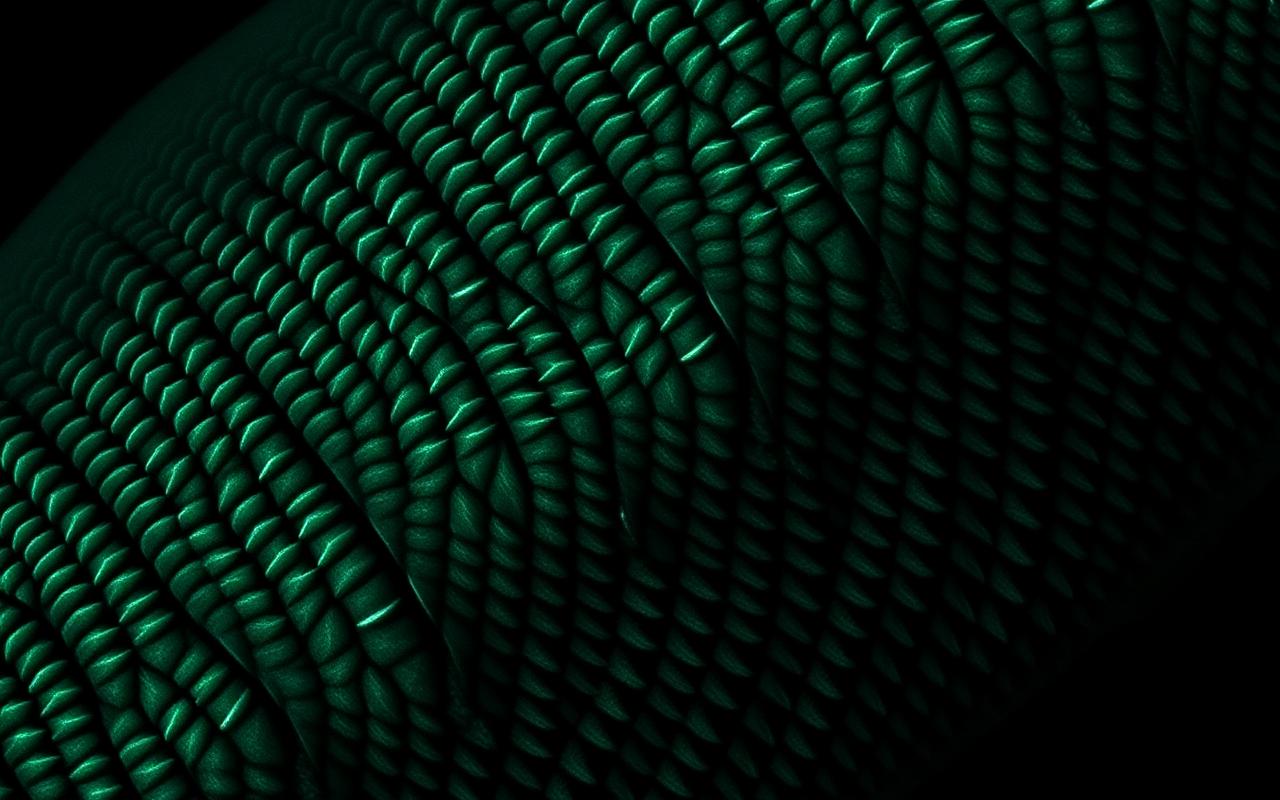
Galapagos Shark
Preventing barnacles, algae and bacteria from colonizing a moving body.

Thermoregulation
Cathedral Termite
Keeping a vast underground colony at a stable 31°C while outside temperatures swing 40°C daily.
Closed-Loop
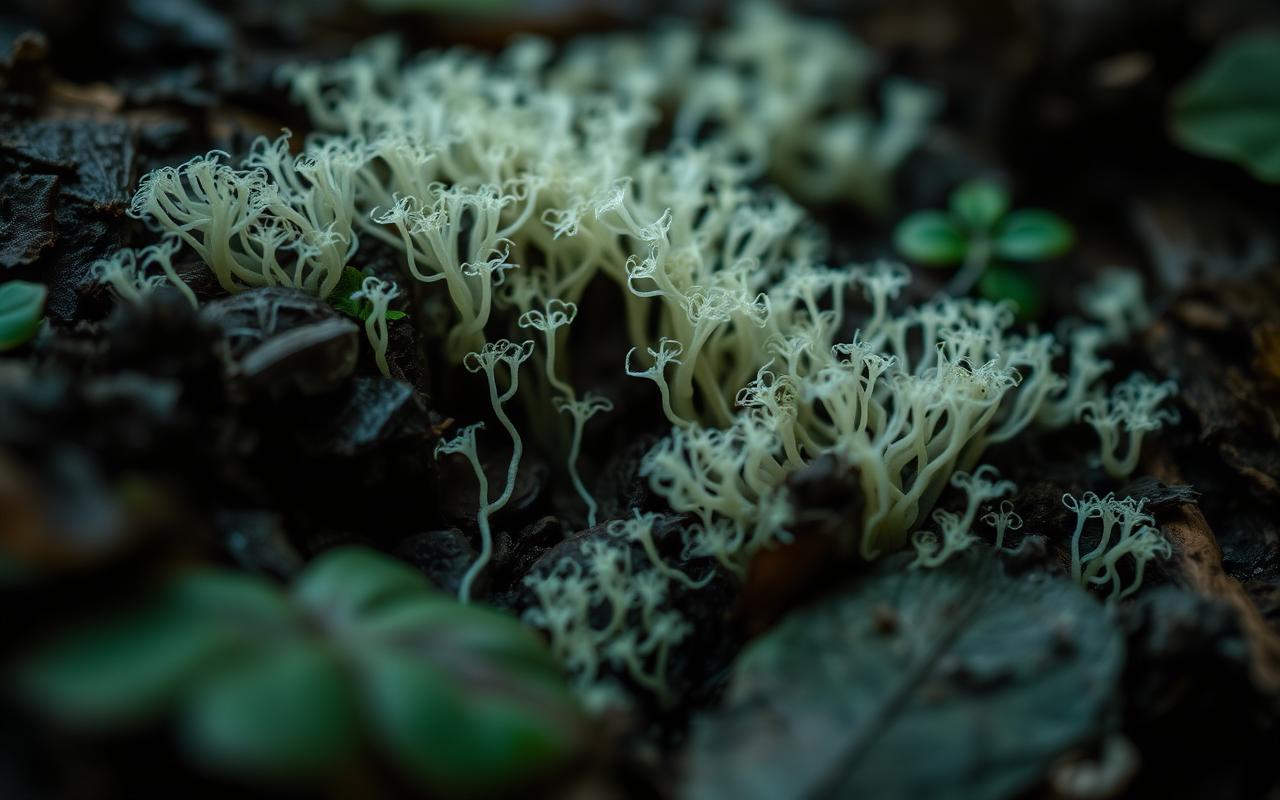
Forest Mycelium
Distributing scarce nutrients across an entire forest of competing organisms.
Ask Flora
Want to apply Beetle's strategy to your own challenge?