
Organism
Galapagos Shark
Carcharhinus galapagensis · Open Pacific, around volcanic islands
Preventing barnacles, algae and bacteria from colonizing a moving body.
SPC-203
Nature-to-Innovation
The five stages, mapped.
Every Flourish organism flows through the same spine — so insights translate.
Organism01 / 05
Galapagos Shark
Carcharhinus galapagensis · Open Pacific, around volcanic islands
Biological Strategy02 / 05
Galapagos Shark
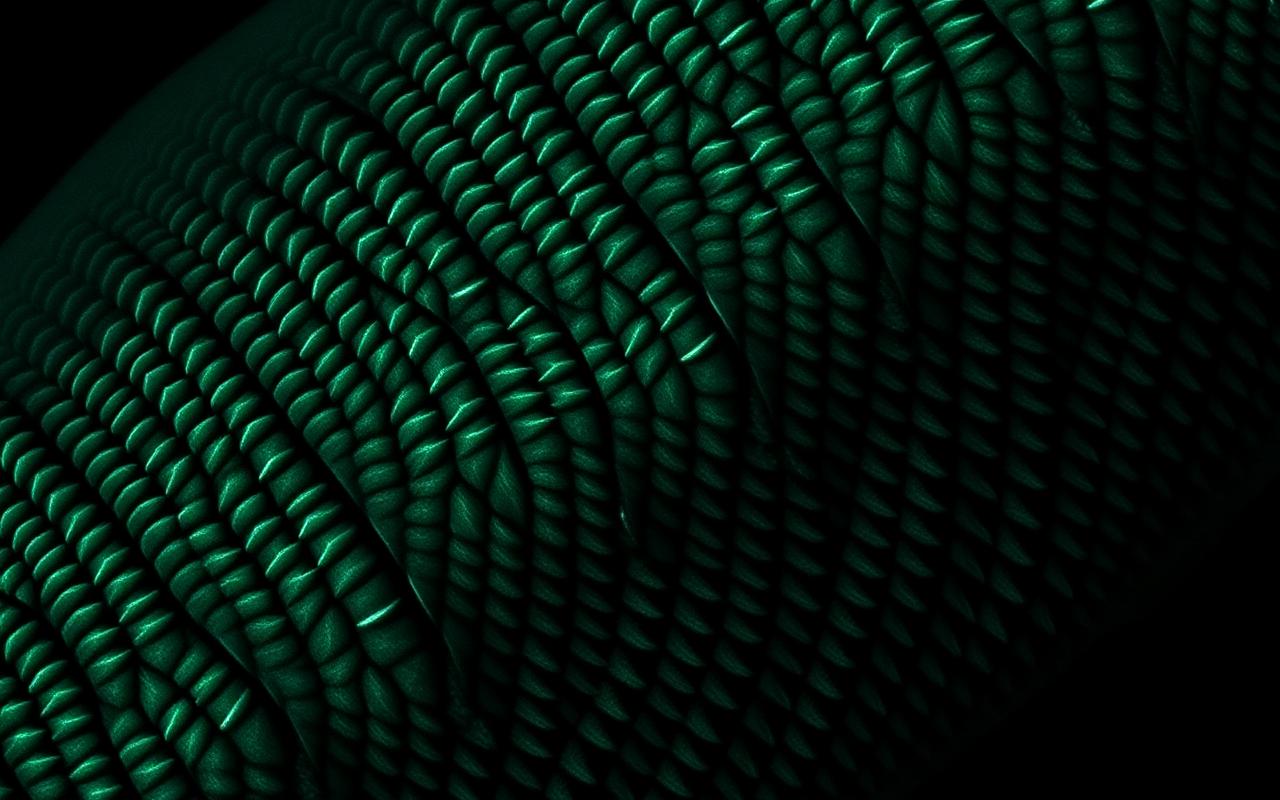
Microscopic tooth-like riblets called denticles disrupt the boundary layer of water so organisms cannot settle or grip.
Design Principle03 / 05
Life's Principle
Structural geometry — not chemistry — denies microbes a stable attachment surface.
Innovation Pattern04 / 05
Antifouling and drag reduction via micro-riblet topography.
Reusable across products, architecture, and systems.
Sustainability implication
Cuts biocide paint use on ships, fuel consumption from drag, and antibiotic load in healthcare.
Related biological models
- Pilot whale skin
- Pangolin scales
- Butterfly wing scales
Related specimens
Other organisms solving nearby problems
Defense
Bombardier Beetle
Defending itself against far larger predators with no claws or venom.
Hydrology
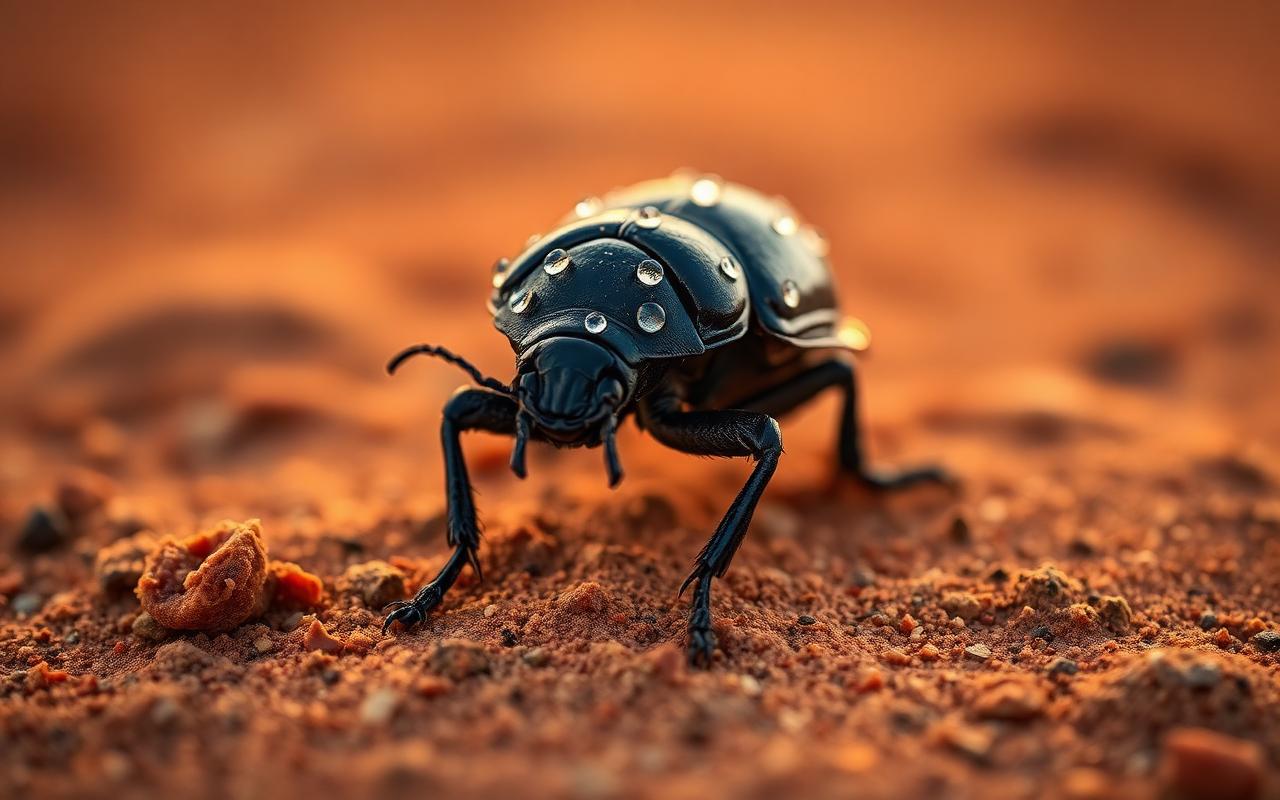
Namibian Fog Beetle
Surviving in one of the driest deserts on Earth with no surface water.

Materials
Sacred Lotus
Staying clean and disease-free while rooted in muddy, contaminated water.

Thermoregulation
Cathedral Termite
Keeping a vast underground colony at a stable 31°C while outside temperatures swing 40°C daily.
Ask Flora
Want to apply Shark's strategy to your own challenge?