Organism
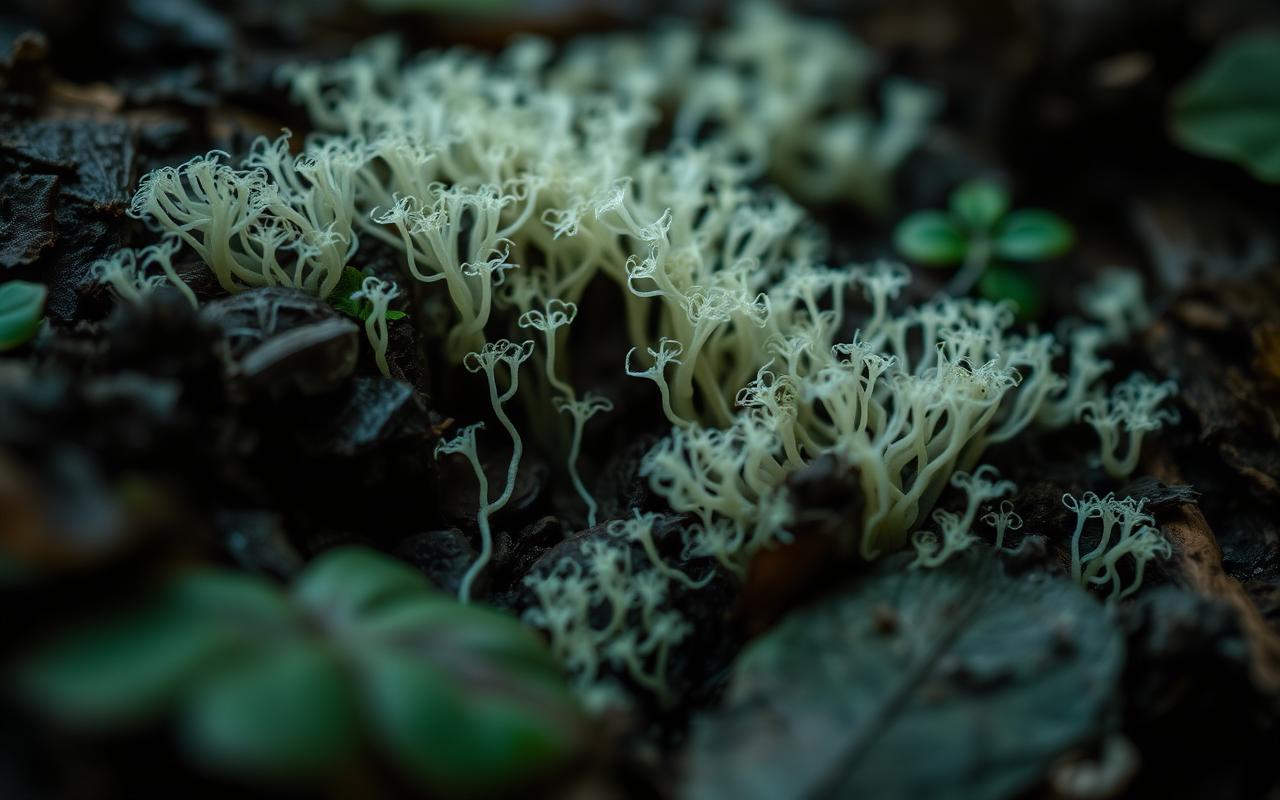
Forest Mycelium
Mycorrhizal fungi (various) · Temperate and tropical forest soils worldwide
Distributing scarce nutrients across an entire forest of competing organisms.
SPC-301
Nature-to-Innovation
The five stages, mapped.
Every Flourish organism flows through the same spine — so insights translate.
Organism01 / 05
Forest Mycelium
Mycorrhizal fungi (various) · Temperate and tropical forest soils worldwide
Biological Strategy02 / 05
Forest Mycelium
Fungal threads weave between tree roots, exchanging sugars for minerals and trading chemical signals about stress, drought and attack.
Design Principle03 / 05
Life's Principle
Decentralized peer-to-peer resource routing — waste from one node is food for another.
Innovation Pattern04 / 05
Circular nutrient economy through distributed signaling.
Reusable across products, architecture, and systems.
Sustainability implication
Closes the loop on packaging and building materials; sequesters carbon while replacing plastics and foams.
Related biological models
- Slime molds
- Coral symbionts
- Aspen root colonies
Related specimens
Other organisms solving nearby problems
Closed-Loop
Banyan Tree
Surviving centuries through storms while supporting an entire micro-ecosystem.
Hydrology
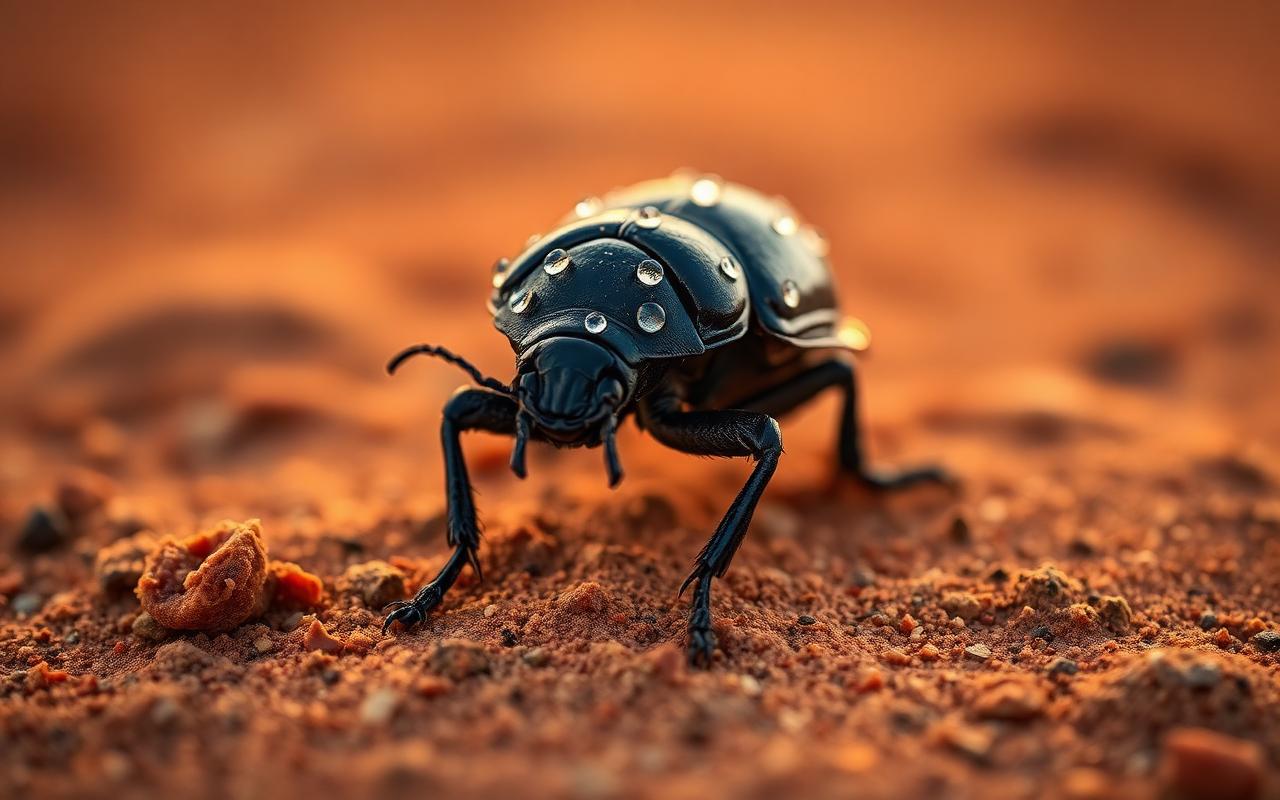
Namibian Fog Beetle
Surviving in one of the driest deserts on Earth with no surface water.

Materials
Sacred Lotus
Staying clean and disease-free while rooted in muddy, contaminated water.
Defense
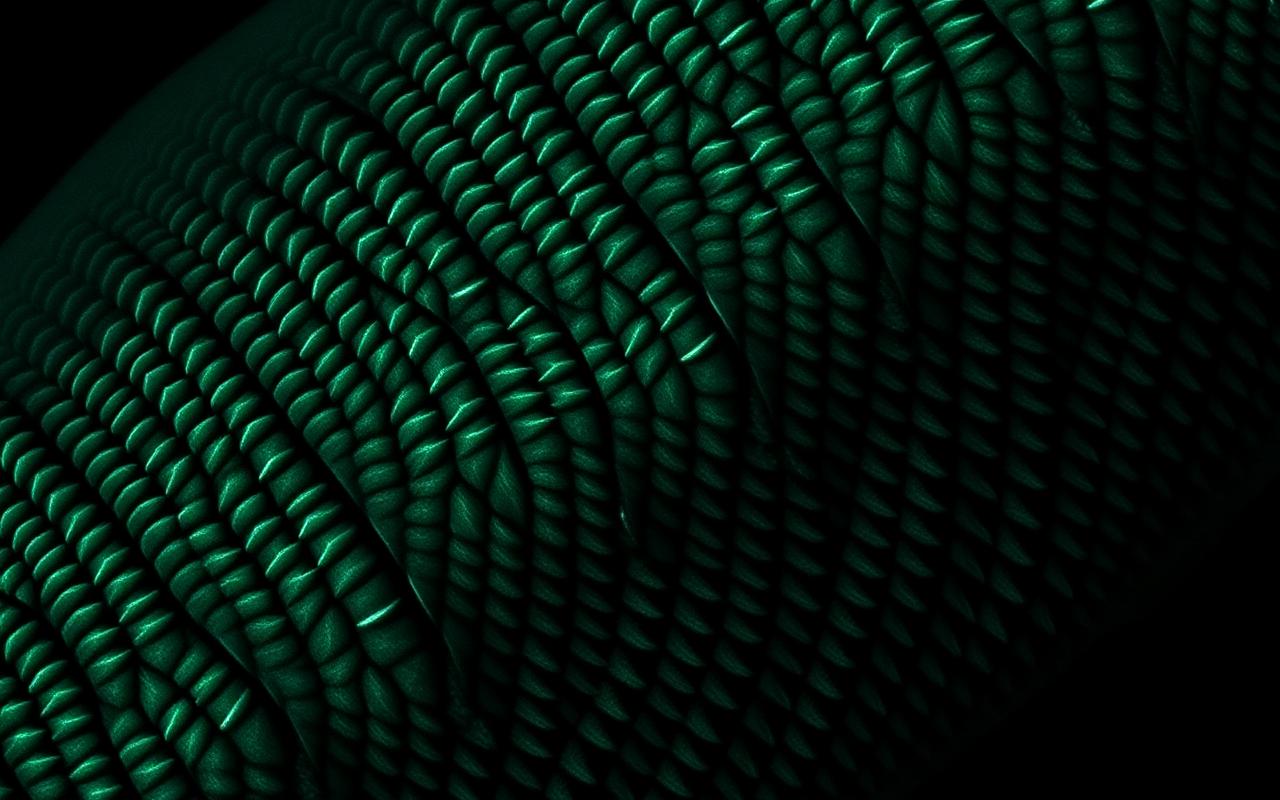
Galapagos Shark
Preventing barnacles, algae and bacteria from colonizing a moving body.
Ask Flora
Want to apply Mycelium's strategy to your own challenge?