
Organism
Peacock Mantis Shrimp
Odontodactylus scyllarus · Indo-Pacific coral reefs
Seeing prey, predators and signals in chaotic, low-contrast reef light.
SPC-211
Nature-to-Innovation
The five stages, mapped.
Every Flourish organism flows through the same spine — so insights translate.
Organism01 / 05
Peacock Mantis Shrimp
Odontodactylus scyllarus · Indo-Pacific coral reefs
Biological Strategy02 / 05
Peacock Mantis Shrimp
Sixteen photoreceptor types — including polarization-sensitive cells — encode color and polarization in parallel directly at the retina.
Design Principle03 / 05
Life's Principle
Distributed sensing offloads computation to optical hardware.
Innovation Pattern04 / 05
Edge-computed multispectral imaging.
Reusable across products, architecture, and systems.
Sustainability implication
Smaller, lower-power sensors for medicine and environmental monitoring.
Related biological models
- Butterfly compound eye
- Cephalopod skin
- Trilobite calcite lenses
Related specimens
Other organisms solving nearby problems
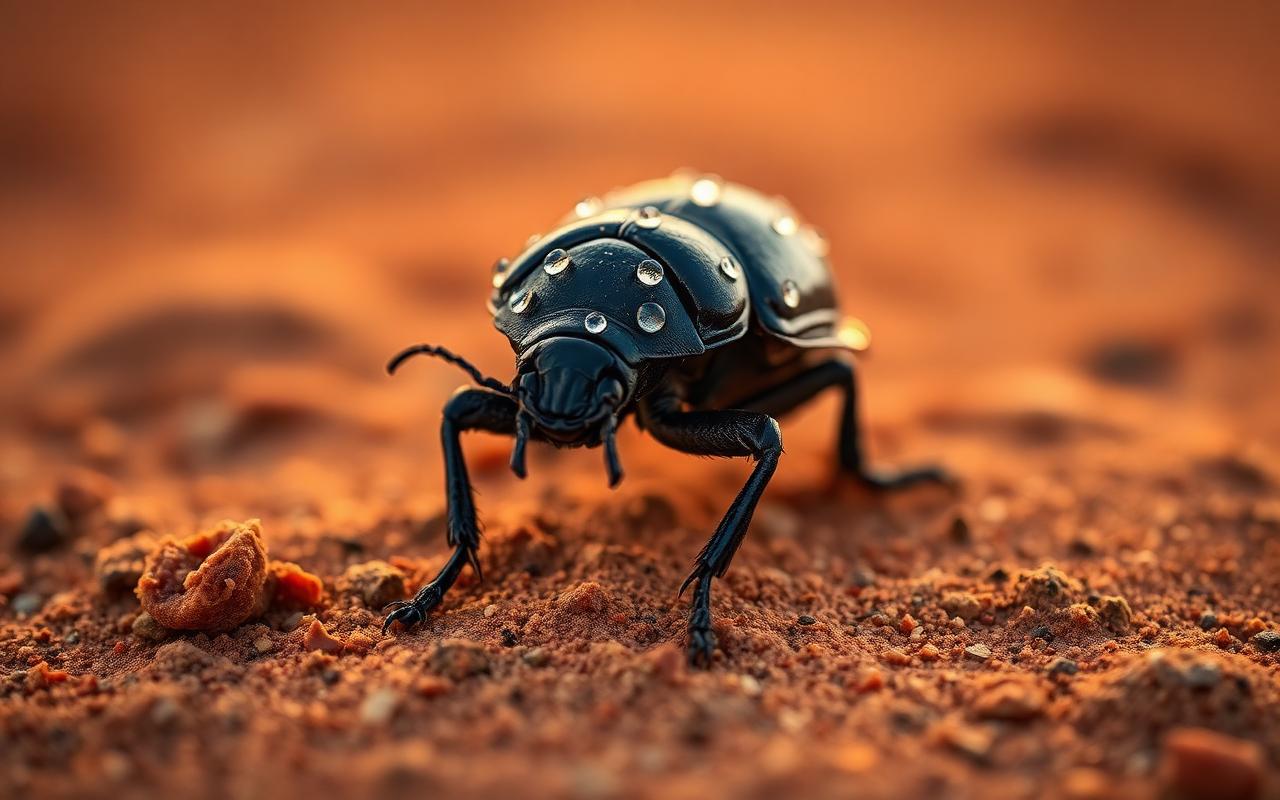
Hydrology
Namibian Fog Beetle
Surviving in one of the driest deserts on Earth with no surface water.
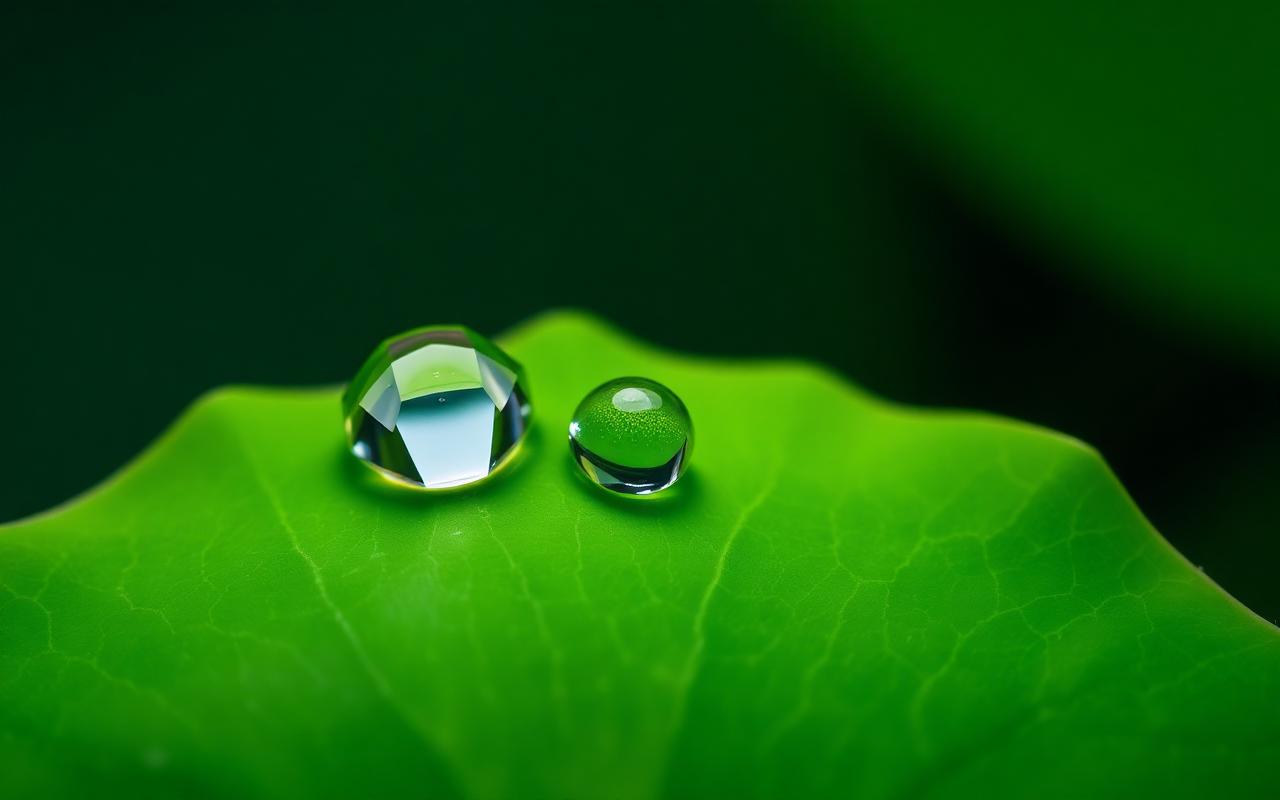
Materials
Sacred Lotus
Staying clean and disease-free while rooted in muddy, contaminated water.
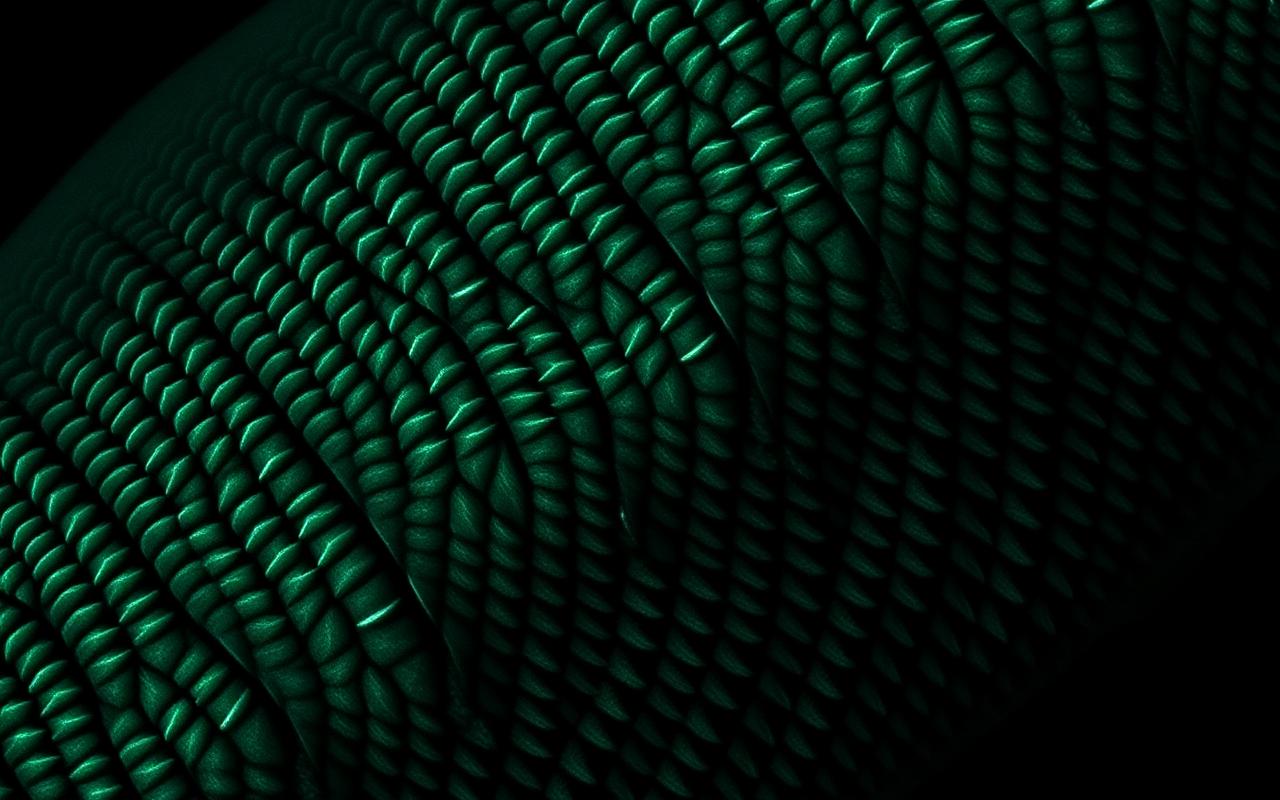
Defense
Galapagos Shark
Preventing barnacles, algae and bacteria from colonizing a moving body.

Thermoregulation
Cathedral Termite
Keeping a vast underground colony at a stable 31°C while outside temperatures swing 40°C daily.
Ask Flora
Want to apply Shrimp's strategy to your own challenge?