
Organism
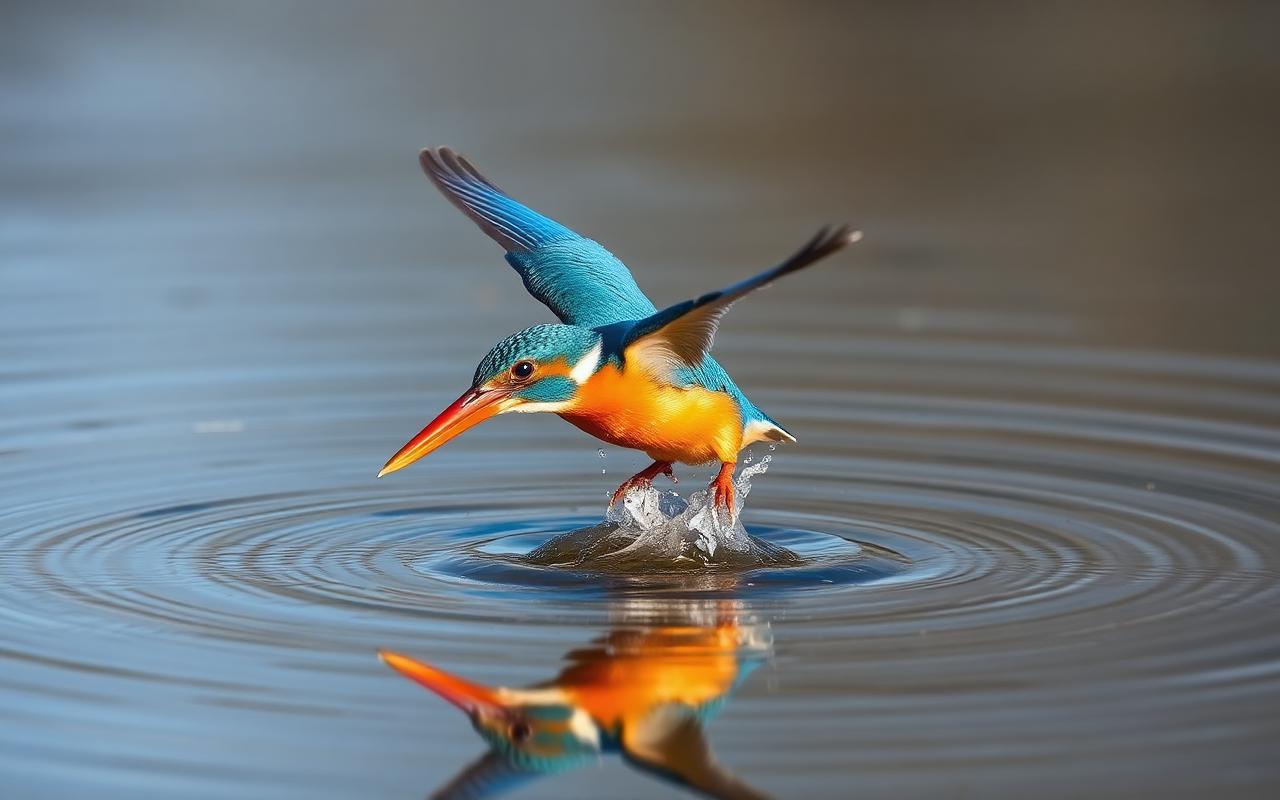
Common Kingfisher
Alcedo atthis · Riverbanks of Eurasia
Diving from air into water with almost no splash, so prey cannot detect arrival.
SPC-044
Nature-to-Innovation
The five stages, mapped.
Every Flourish organism flows through the same spine — so insights translate.
Organism01 / 05
Common Kingfisher
Alcedo atthis · Riverbanks of Eurasia
Biological Strategy02 / 05
Common Kingfisher
A long, tapered beak parts air and water with a continuously decreasing cross-section, equalizing pressure across the interface.
Design Principle03 / 05
Life's Principle
Gradual geometric transition between media minimizes pressure-wave disturbance.
Innovation Pattern04 / 05
Pressure-matched bodies for trans-medium transit.
Reusable across products, architecture, and systems.
Sustainability implication
Dramatic energy savings in high-speed transport; template for quieter aircraft and submarines.
Related biological models
- Owl wing leading edge
- Dolphin rostrum
- Falcon nostrils
Related specimens
Other organisms solving nearby problems
Locomotion
Humpback Whale
Turning a 36-ton body sharply enough to corral fish.
Hydrology
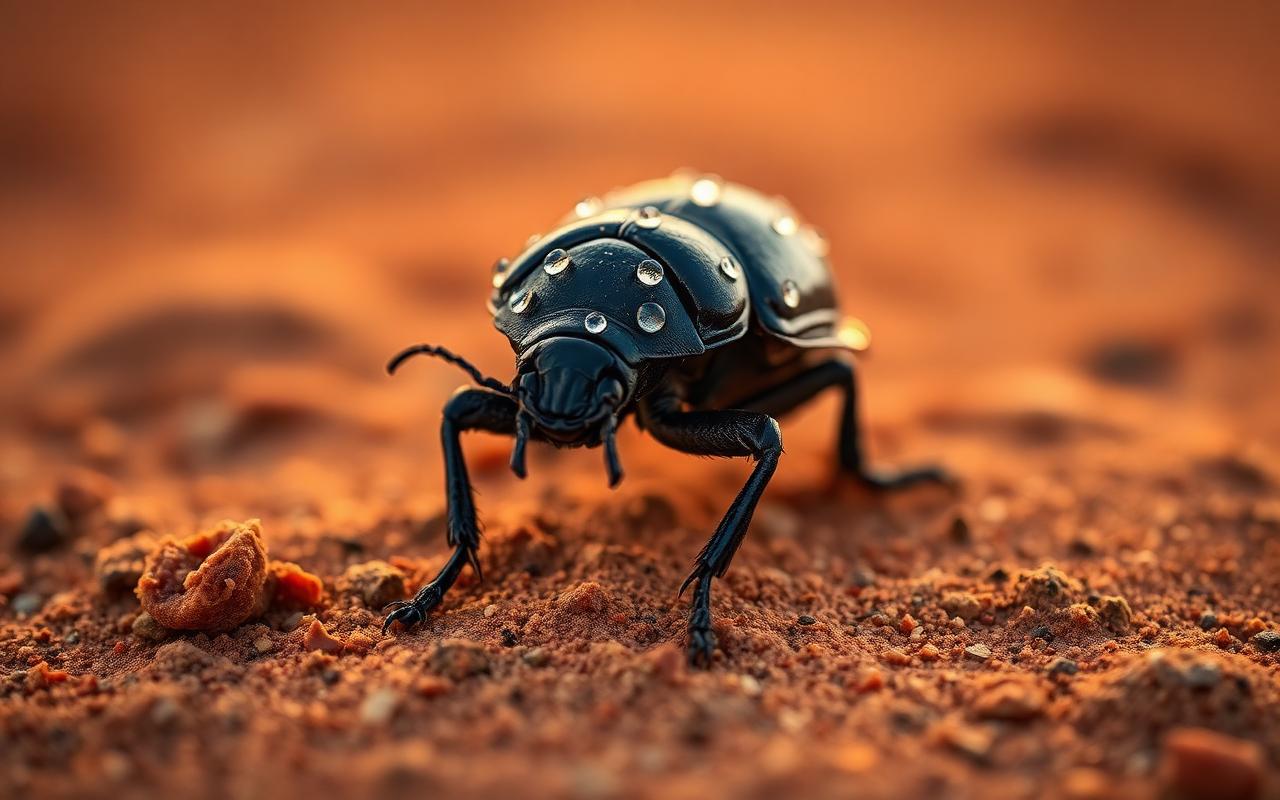
Namibian Fog Beetle
Surviving in one of the driest deserts on Earth with no surface water.

Materials
Sacred Lotus
Staying clean and disease-free while rooted in muddy, contaminated water.
Defense
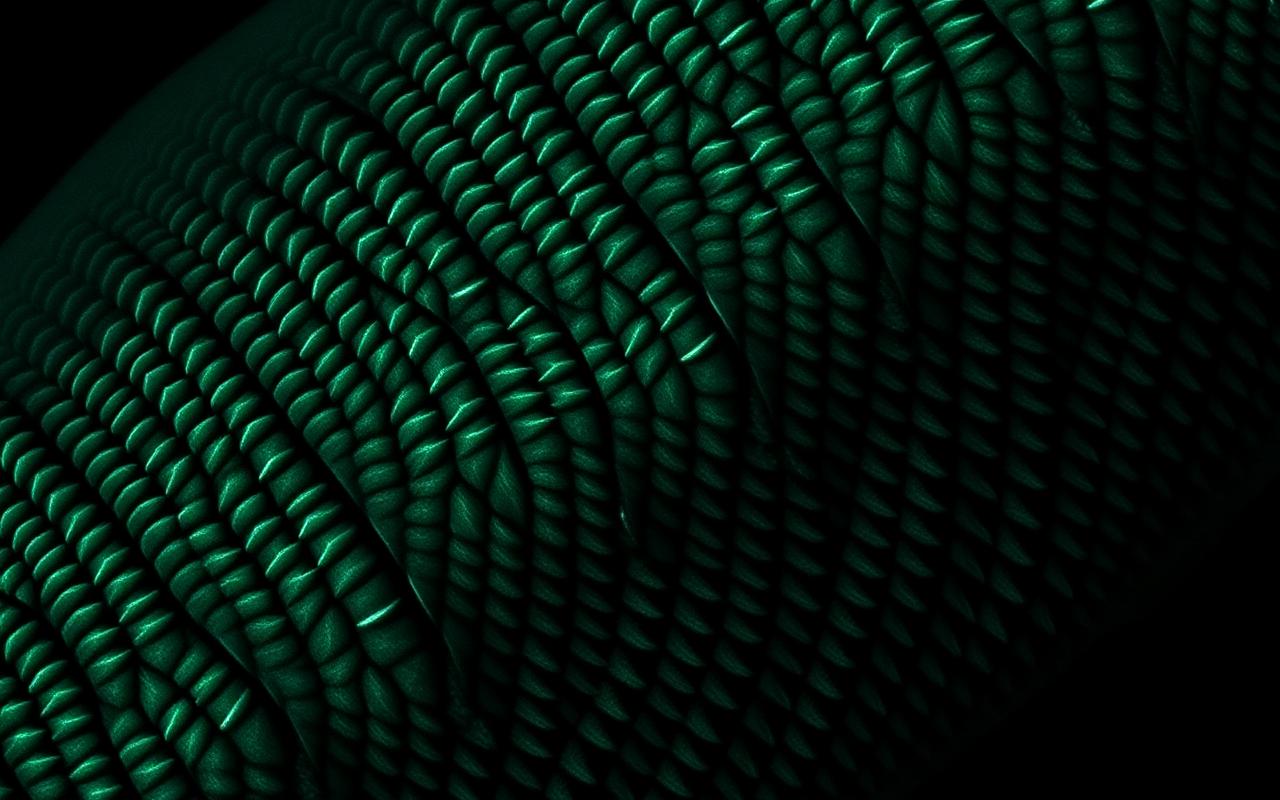
Galapagos Shark
Preventing barnacles, algae and bacteria from colonizing a moving body.
Ask Flora
Want to apply Kingfisher's strategy to your own challenge?